
Table of Contents
Yoga Classes for Working Professionals in Chennai
Yoga classes for working professionals in Chennai can provide a structured way to include movement, breathing exercises and relaxation in a busy working week. Depending on their schedules and preferences, professionals can explore morning sessions, evening classes, weekend programmes, small-group practice or outdoor yoga. Beginners should look for qualified instruction, suitable class intensity, clear guidance and convenient timings. Consistency matters more than choosing the most demanding routine. Yoga can support flexibility, body awareness and relaxation, but it should complement—not replace—appropriate medical care when health concerns arise.

Introduction
Professional life in Chennai can involve long commutes, extended periods at a desk, frequent online meetings, demanding deadlines and limited time for personal activities. Even people who want to stay active may find it difficult to maintain a regular exercise routine around their work commitments.
Yoga offers one possible way to make physical activity and relaxation part of everyday life. Its combination of postures, controlled movement, breathing practices and, in some classes, meditation can be adapted to different experience levels and schedules.
For working professionals, the most suitable class is not necessarily the longest or most physically demanding. It is one that fits realistically into the working week, accommodates individual ability and encourages a sustainable routine.
Choosing yoga classes for working professionals in Chennai therefore involves more than comparing class timings. Professionals may also need to consider the instructor’s experience, location, class size, travel time, accessibility for beginners and the balance between physical practice and relaxation.
This guide explains the available class formats, factors to consider when choosing a programme and practical ways to incorporate yoga into a busy professional lifestyle.
1. Why Working Professionals Are Exploring Yoga
A regular working day can place demands on both physical comfort and mental attention. The effects differ from person to person, but several common aspects of modern work make movement and relaxation important considerations.
1.1 Long periods of sitting
Office-based employees may spend several hours working at a computer. Prolonged sitting can contribute to stiffness or discomfort, particularly when people rarely change position.
Yoga classes may incorporate gentle stretches, standing postures, balance exercises and controlled movements that encourage participants to move different parts of the body. However, a yoga session should not be the only opportunity to move. Taking regular movement breaks throughout the working day can also be useful.
1.2 Busy schedules and mental demands
Project deadlines, client communication, meetings and changing priorities can make it difficult to switch off after work.
Yoga sessions that include steady breathing, mindful movement or a short relaxation period may help some participants create a clearer boundary between professional responsibilities and personal time. Individual experiences vary, and yoga should not be presented as a guaranteed treatment for stress or anxiety.
1.3 Difficulty maintaining an exercise routine
A demanding schedule can make ambitious fitness plans difficult to sustain. A person who commits to a long session every day may struggle to continue when work becomes busier.
A more realistic approach may involve two or three planned sessions per week, supported by brief movement breaks or gentle stretching on other days. The appropriate frequency depends on individual fitness, health, experience and available time.
1.4 A need for personal time
Work responsibilities can occupy much of the day, leaving limited time for activities unrelated to professional performance.
A scheduled yoga class can create a dedicated period for movement and attention to personal wellbeing. For some people, group classes also offer a chance to interact with others outside their workplace.
The aim is not to add another demanding task to the calendar. It is to find a manageable activity that supports a balanced routine.
2. Types of Yoga Classes Suitable for Working Professionals in Chennai
Different class formats suit different work patterns. Understanding the main options can help professionals choose a programme they can attend consistently.
2.1 Morning yoga classes
Morning classes may suit professionals who prefer to exercise before beginning work. Completing a session early can reduce the risk of evening meetings or unexpected responsibilities interfering with the routine.
A morning class might include gentle warm-ups, basic postures, balance work, breathing exercises and a short relaxation period. The intensity should match participants’ experience and physical ability.
Morning yoga may be suitable for:
- Professionals who start work at a predictable time.
- People who prefer exercising before breakfast or the working day, according to their personal comfort.
- Employees who frequently have evening meetings.
- Beginners who want a scheduled activity before daily responsibilities begin.
Travel time matters when selecting a morning class. A nearby venue or a suitable online option may be more practical than travelling across the city during peak commuting hours.
2.2 Evening yoga classes
Evening sessions can work well for people who prefer to finish their professional responsibilities before exercising.
Depending on the class, sessions may combine gentle postures, mobility work, breathing practices and relaxation. Professionals who have spent most of the day sitting may appreciate a routine that encourages gradual movement rather than immediately demanding strenuous activity.
Before enrolling, check the class start time, expected duration and journey home. A programme that finishes too late may be difficult to maintain during a busy working week.
2.3 Weekend yoga classes
Weekend sessions can offer flexibility to people whose weekday schedules change frequently.
A Saturday or Sunday class may allow participants to practise without rushing from an office or rearranging meetings. Weekend classes can also provide additional time to learn unfamiliar postures and ask the instructor questions.
However, relying exclusively on weekends may not suit everyone. Short movement breaks during the week can help complement a weekly class.
2.4 Small-group yoga classes
Small-group classes provide an opportunity to practise with other participants while receiving guidance from an instructor.
For beginners, a smaller group may make it easier to ask questions, understand alignment instructions and communicate personal limitations. The actual level of individual attention depends on the instructor and the number of participants.
Working professionals who enjoy shared activities may also find group sessions easier to schedule and maintain than practising alone.
Before joining, ask whether the class accommodates different ability levels and whether modifications are offered for participants who cannot comfortably perform a particular posture.
2.5 Outdoor yoga classes
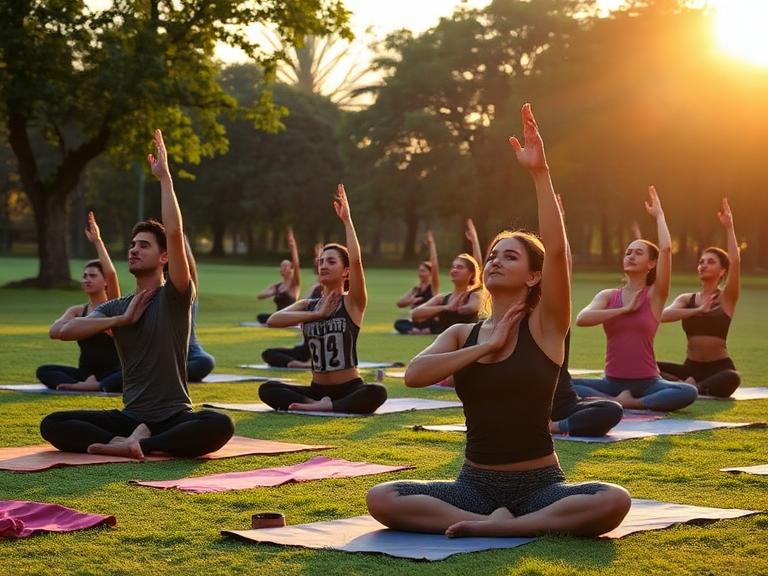
Outdoor yoga offers an alternative to indoor studio sessions. Depending on the organiser and available facilities, classes may take place in a suitable park, garden or other permitted outdoor setting.
Some professionals prefer practising outdoors because it provides a change from office interiors and screen-based work. Outdoor classes may also combine physical movement with time spent in an open environment.
In Chennai, the weather is an important consideration. Heat, humidity, rain, air quality and the availability of shade can affect comfort. Morning sessions may be more practical during warmer periods, but conditions should be checked on the day.
Participants should also confirm whether the venue has permission for organised activities, accessible facilities and a suitable surface for yoga practice.
2.6 Online yoga classes
Online sessions can help professionals who work remotely, travel frequently or live far from a suitable class venue.
They reduce commuting requirements and may allow participants to choose sessions around their work schedules. However, online practice can make it harder for an instructor to identify posture or alignment issues, particularly when the camera view is limited.
Beginners should choose instructors who provide clear demonstrations, explain modifications and encourage participants to stop if a movement causes pain or unusual discomfort.
Online yoga is one option within a broader range of learning formats. It is not automatically better or worse than in-person instruction; suitability depends on the participant’s needs and the quality of the teaching.
3. How to Choose the Right Yoga Class in Chennai
The right class should fit a professional’s schedule, physical ability and learning preferences. A convenient location alone is not enough if the class intensity or teaching style is unsuitable.
3.1 Check the instructor’s qualifications and teaching approach
Look for an instructor with relevant yoga training and experience teaching people with different levels of ability. A good instructor explains the purpose of movements, demonstrates alternatives and avoids pressuring participants to perform postures beyond their comfort level.
Professionals who are new to yoga may benefit from an introductory session that explains basic posture names, breathing instructions and class expectations.
3.2 Compare class timings with your work schedule
Before enrolling, consider your usual working hours, commuting time and other commitments.
For example, a professional working regular office hours might prefer a morning session before work. Someone who frequently attends early meetings may find an evening or weekend class more manageable. People working rotating shifts may need a flexible programme or online sessions.
Choose a schedule you can realistically follow for several weeks rather than one that depends on every working day going exactly as planned.
3.3 Consider the location and travel time
Chennai’s traffic and commuting distances can influence whether a class remains practical over time. A venue near home, the workplace or a regular commuting route may reduce the effort involved in attending.
Professionals can explore options in areas such as T. Nagar, Velachery, Adyar, Thiruvanmiyur and other neighbourhoods, depending on where they live or work.
When comparing locations, consider more than distance. Check the actual class timetable, transport options, parking availability where relevant and whether the venue is comfortable during the intended session time.
3.4 Look for beginner-friendly instruction
A class labelled “all levels” may still move quickly or include postures that are challenging for someone starting out.
Ask whether the instructor offers beginner sessions, demonstrates simpler alternatives and allows participants to rest when necessary. A beginner-friendly class should explain movements clearly without assuming previous yoga experience.
Professionals returning to exercise after a long break may also prefer a gradual introduction instead of an advanced sequence.
3.5 Understand class size and individual attention
Some participants prefer group energy, while others want more personalised guidance.
A small group may provide additional opportunities to ask questions, but group size alone does not determine teaching quality. Ask how the instructor supports beginners and whether they can accommodate relevant limitations.
One-to-one instruction may be worth considering for people who want a more individually adapted session. Those with medical conditions or persistent pain should consult an appropriate healthcare professional about safe participation before starting.
3.6 Review fees, cancellations and trial options
Class fees can vary according to location, duration, teaching format, instructor experience and programme structure.
Before paying for a long-term package, clarify:
- The number and length of sessions included.
- Whether missed classes can be rescheduled.
- Whether a trial or introductory class is available.
- The policy for cancellations and holidays.
- Whether equipment is supplied or participants must bring their own.
- Whether online sessions are included in the programme.
Transparent terms make it easier to compare options without relying solely on promotional claims.
4. Potential Benefits of Yoga for Working Professionals
Yoga combines movement with attention to breathing and body awareness. Its effects vary according to the type of practice, frequency, individual health and other lifestyle factors.
4.1 Supporting flexibility and mobility
Many yoga sessions include controlled movements and stretches for the shoulders, hips, back, legs and other areas of the body.
For people who spend much of the day sitting, these movements can provide a structured opportunity to practise mobility. Participants should progress gradually and avoid forcing a stretch or pushing through sharp pain.
Yoga does not eliminate the need to change position regularly during working hours. Standing up, walking briefly and adjusting workstation arrangements can complement a class.
4.2 Encouraging relaxation
Some yoga programmes include slow breathing, mindful attention and a period of guided relaxation.
These elements may help participants feel calmer after a demanding day. However, responses differ, and yoga should not be described as a guaranteed solution for work-related stress or mental health conditions.
People experiencing persistent anxiety, low mood or significant sleep difficulties should consider speaking with a qualified healthcare professional.
4.3 Developing body awareness
Work can make it easy to overlook signs of tiredness, stiffness or physical tension.
Yoga instruction often encourages participants to notice how they move, breathe and respond to different postures. Over time, this awareness may help them recognise when they need to modify a movement or take a break.
This is particularly relevant for professionals who spend long periods at computers, although posture and discomfort can have several causes that yoga alone may not address.
4.4 Supporting balance and movement control
Depending on the style, yoga may involve standing balance, controlled transitions and coordination between movement and breathing.
These activities can provide varied movement practice. Beginners should start with stable positions and use appropriate support when needed.
The goal is not to master difficult poses quickly. Safe, controlled movement is more important than performing an advanced posture.
4.5 Creating a consistent wellbeing routine
One of the practical advantages of a scheduled class is that it creates a regular time for physical activity.
Some professionals find that booking a class makes it easier to follow through than relying on motivation alone. Others prefer a combination of group sessions and short independent practice.
Consistency should be flexible. Missing a session because of illness, travel or an urgent work responsibility does not mean the routine has failed.
4.6 Providing a break from screen-based work
A yoga class can offer time away from email, video calls and other digital tasks. Depending on the format, participants may move, stretch, breathe mindfully and concentrate on instructions rather than work notifications.
Professionals can complement this by taking screen breaks during the day and avoiding the assumption that a single class can compensate for an entire week of inactivity.
5. How Busy Professionals Can Make Yoga Part of Their Routine
A practical plan should account for real work demands instead of expecting a perfect schedule.
Step 1: Identify the most realistic time
Review a typical working week. Identify when you are usually available, including travel time and responsibilities at home.
If mornings are consistently busy, an evening class may be more realistic. If evening work frequently runs late, consider a weekend class or an online programme.
Step 2: Start at a manageable frequency
Beginners do not need to start with daily classes. One or two introductory sessions per week may be a reasonable starting point for some people, depending on their health and fitness.
Increase frequency gradually if the sessions feel comfortable and fit your schedule. Follow any individual advice from a healthcare professional when relevant.
Step 3: Choose an appropriate intensity
Not every professional needs a vigorous yoga style. Gentle yoga, beginner Hatha yoga or classes focused on basic movement and relaxation may be suitable starting points.
More dynamic styles can be considered later if they match your interests, experience and physical ability.
Step 4: Prepare for the session
Wear comfortable clothing that allows movement. Carry water and a yoga mat if required, and follow the instructor’s guidance about meals and preparation.
For outdoor sessions, consider the weather, sun exposure and ground conditions. Avoid practising in unsafe heat or other uncomfortable environmental conditions.
Step 5: Support your class with short movement breaks
A full class is only one part of an active routine. During working hours, consider standing, walking briefly or changing position at regular intervals where practical.
Simple reminders between meetings can make movement easier to maintain, even on days when attending a class is not possible.
Step 6: Review your routine after a few weeks
Ask yourself whether the timing is convenient, the instructor communicates clearly and the level of effort feels appropriate.
If the programme is difficult to sustain, consider a different time, shorter session, alternative class format or more suitable intensity. The most useful routine is one that can adapt to changing work demands.
6. Yoga Options for Different Professional Lifestyles
IT professionals and desk-based employees
People working in technology or other desk-based roles may prefer classes that include gentle movement, shoulder and hip mobility, balance and relaxation. Regular workstation breaks remain important.
Managers and professionals with demanding schedules
Those with unpredictable calendars may benefit from flexible booking, shorter sessions or online classes. A simple routine that can be maintained during busy periods may be more practical than an intensive programme.
Remote and hybrid workers
Working from home can reduce commuting but may also increase the amount of time spent sitting indoors. Online sessions or nearby outdoor classes may provide a useful change of activity and environment.
Professionals returning to exercise
Anyone returning after a long period of inactivity should begin gradually and communicate relevant limitations to the instructor. People recovering from an injury or managing a medical condition should seek appropriate clinical advice before choosing a programme.
Beginners with limited free time
A beginner does not need to know yoga terminology or perform complex postures before joining a suitable class. Introductory instruction, clear demonstrations and a manageable schedule are more important than previous experience.
7. Outdoor Yoga Chennai as an Example of a Local Option
Professionals comparing yoga formats may consider whether they prefer a studio, online instruction or a class in an outdoor setting.
Outdoor Yoga Chennai is one example of a Chennai-based option associated with outdoor yoga and wellness sessions. When evaluating any provider, prospective participants should independently confirm current locations, schedules, class formats, instructor details and availability.
The broader lesson is to choose a programme based on suitability and convenience rather than assuming that one setting works for every professional.
8. Common Mistakes to Avoid When Starting Yoga
Choosing a class based only on convenience: A nearby class may not suit your experience level. Consider teaching quality and class intensity as well as location.
Trying to keep up with experienced participants: Yoga is not a competition. Use modifications and rest when needed.
Expecting immediate results: Comfort, mobility and relaxation vary between individuals. Focus on safe participation and consistency rather than promises of rapid transformation.
Ignoring pain or unusual symptoms: Stop a movement that causes sharp pain, dizziness or unusual discomfort. Seek appropriate medical advice when symptoms persist or are concerning.
Treating yoga as a substitute for medical care: Yoga can complement a broader wellbeing routine, but it does not replace diagnosis, treatment or advice from qualified healthcare professionals.
Overcommitting to an unrealistic timetable: A manageable routine is generally easier to maintain than one that repeatedly conflicts with work and personal responsibilities.
Conclusion
Yoga classes for working professionals in Chennai offer several formats to consider, including morning sessions, evening classes, weekend programmes, small-group instruction and online practice. The right choice depends on working hours, location, experience, preferred intensity and personal goals.
For many professionals, a sustainable approach begins with a suitable beginner-friendly class, realistic scheduling and gradual progression. Regular movement breaks during the working day can complement formal sessions, while attention to comfort and individual limitations helps keep practice appropriate.
Rather than searching for the most demanding programme, look for qualified instruction, clear communication and a schedule that fits everyday life. With thoughtful selection and realistic expectations, yoga can become a practical part of a broader approach to movement and wellbeing.
9. Frequently Asked Questions
1. Which yoga classes are suitable for working professionals in Chennai?
Morning, evening, weekend, small-group and online classes may suit working professionals. The best option depends on work hours, travel time, experience and personal preferences.
2. Are there evening yoga classes for office employees in Chennai?
Evening classes are one format to explore. Check providers’ current schedules, locations and availability before enrolling, as timings can vary.
3. Can beginners join yoga classes after a long working day?
Yes, beginners can look for introductory or gentle classes. Inform the instructor that you are new to yoga, follow modifications and rest when needed.
4. Is morning yoga better than evening yoga for professionals?
Neither time is universally better. Morning practice may suit people who prefer exercising before work, while evening sessions may fit those with busy mornings. Consistency and comfort are important.
5. Are weekend yoga classes available for people with busy schedules?
Weekend classes are a useful option to investigate if weekday commitments make regular attendance difficult. Confirm the current timetable with individual providers.
6. How often should a working professional practise yoga?
Frequency depends on experience, fitness, health and schedule. Some beginners start with one or two sessions per week and adjust gradually according to comfort and qualified guidance.
7. Can yoga help with stress related to work?
Breathing exercises, mindful movement and relaxation may help some people feel calmer. Results vary, and persistent or severe stress may require support from a qualified healthcare professional.
8. Is yoga useful for people who sit at a desk all day?
Yoga can provide opportunities for stretching, mobility and controlled movement. It should complement regular movement breaks, appropriate workstation habits and other physical activity.
9. What should I look for in a yoga instructor in Chennai?
Consider relevant training, teaching experience, clear demonstrations, safe modifications, communication and the instructor’s ability to accommodate different experience levels.
10. Are outdoor yoga classes suitable for working professionals?
Outdoor classes may suit people who enjoy practising in open spaces. Check weather conditions, shade, ground safety, venue arrangements and the class schedule before attending.
11. Can I attend online yoga classes if I work remotely?
Online classes can be convenient for remote workers because they reduce travel time. Choose an instructor who gives clear instructions and explains safer alternatives for different abilities.
12. What should I bring to a yoga class?
Depending on the provider, you may need a yoga mat, comfortable clothing and drinking water. Ask whether mats or other equipment are supplied.
13. Do I need to be flexible before joining yoga?
No. A suitable beginner class should accommodate people with different levels of flexibility. Avoid forcing stretches or comparing your movements with those of other participants.
14. How can I maintain a yoga routine during busy work periods?
Choose realistic class times, schedule sessions in advance and consider flexible alternatives when work becomes demanding. Short movement breaks can complement your regular practice.
15. Can yoga replace other forms of exercise?
Yoga can contribute to physical activity, but whether it meets your overall exercise needs depends on the style and intensity. A balanced routine may also include aerobic activity and strength-building exercise, according to your abilities and health.
16. How do I compare yoga class fees in Chennai?
Compare session duration, instructor experience, class size, location, booking flexibility and any included equipment. Confirm the full fee and cancellation policy before purchasing a package.
17. Should I consult a doctor before starting yoga?
People with existing medical conditions, recent injuries, balance difficulties or specific health concerns should seek appropriate professional advice about suitable activity. Tell the instructor about relevant limitations and stop if a movement causes concerning symptoms.
18. How can I find yoga classes near my workplace in Chennai?
Search for classes near your workplace or commuting route, then verify the actual address, timetable, travel time and teaching format directly with the provider. A convenient location can make regular attendance easier.